















- AI infrastructure spending has broken the global memory supply chain
- DDR2 prices are set to surge 60% in Q2 2026 alone
- Some manufacturers are redesigning DDR3 systems around DDR2 to secure components
The AI boom is creating unexpected consequences across the memory industry, including renewed demand for technologies introduced more than two decades ago.
As manufacturers prioritize advanced products serving AI infrastructure, older memory generations are becoming increasingly difficult to source in meaningful quantities.
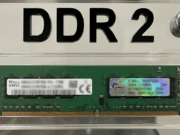
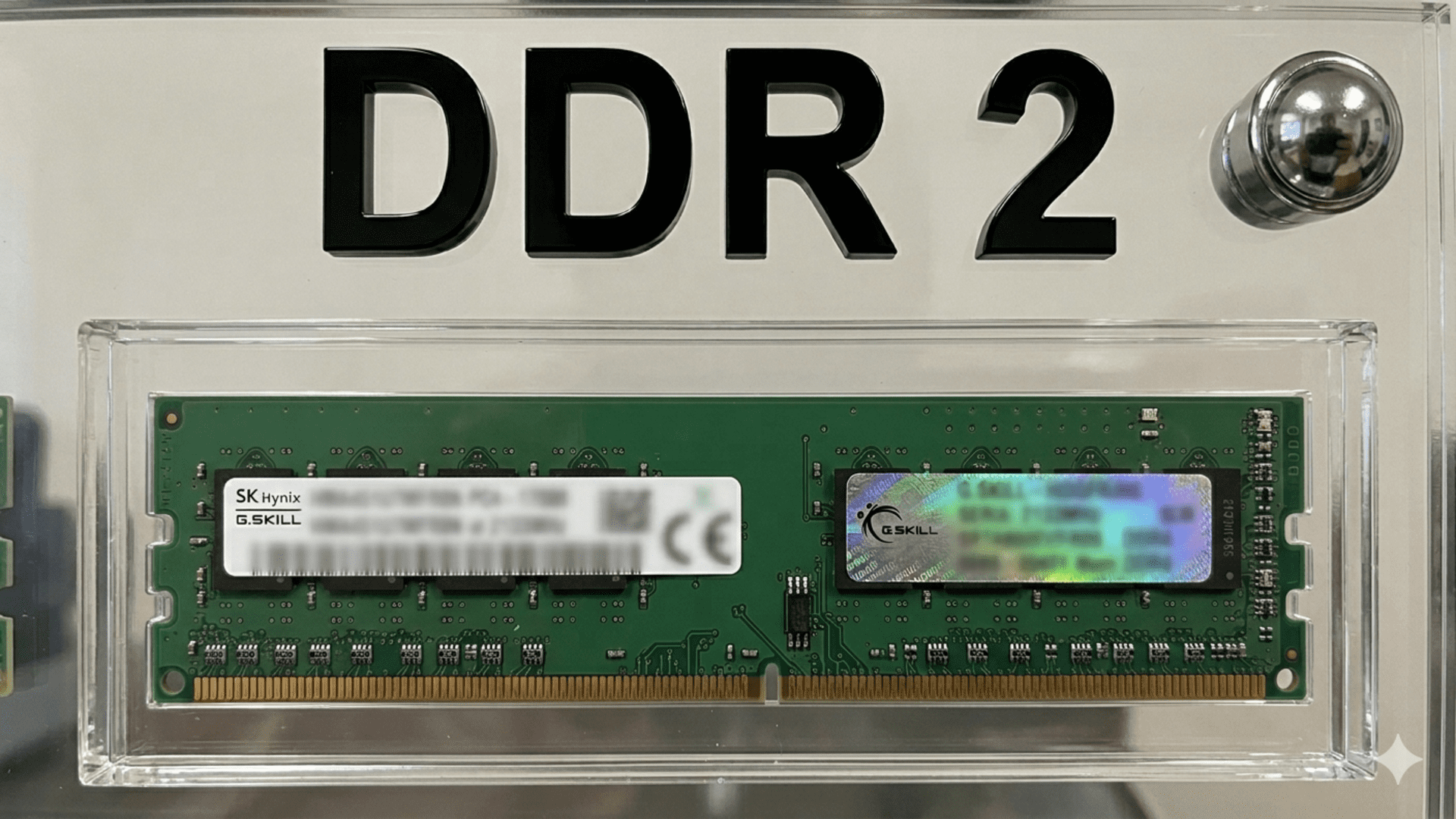
That shift is now pushing DDR2 prices sharply higher despite the technology first appearing around 25 years ago.

Legacy memory demand rises as newer DRAM becomes scarce
DRAM shortages have pushed memory prices sharply higher, with DDR4 contract pricing reportedly surging by as much as 2200% at some point.
Industry executives such as Nothing CEO Carl Pei and Framework have warned that supply constraints and elevated pricing are unlikely to ease in the near term.
According to TrendForce, these structural changes in the DRAM market are forcing buyers to move backward through successive memory generations, and limited mature-node supply is pushing some brands to switch from newer memory to older ones that are available in larger volumes.
TrendForce estimates that DDR2 contract prices will increase by roughly 55% to 60% during the second quarter of 2026.
Prices are then expected to climb another 35% to 40% in Q3, creating one of the strongest pricing surges seen in the legacy memory segment for years.
The situation stems partly from decisions made by the world’s largest DRAM suppliers, which continue directing manufacturing resources toward advanced memory technologies.
Growing demand for HBM and server DRAM, both closely linked to expanding AI infrastructure…