


















- NATO seeks technologies capable of shutting down enemy airfields longer
- Competition focuses on aircraft, runways, fuel depots and infrastructure
- Proposed systems must survive electronic warfare and navigation disruptions
NATO and Ukraine have launched a €250,000 (~$287,000) competition seeking technologies capable of denying adversaries the use of airfields for extended periods.
The initiative, known as Persistent Airfield Denial, focuses on disrupting aviation infrastructure used to support military operations against Ukraine.
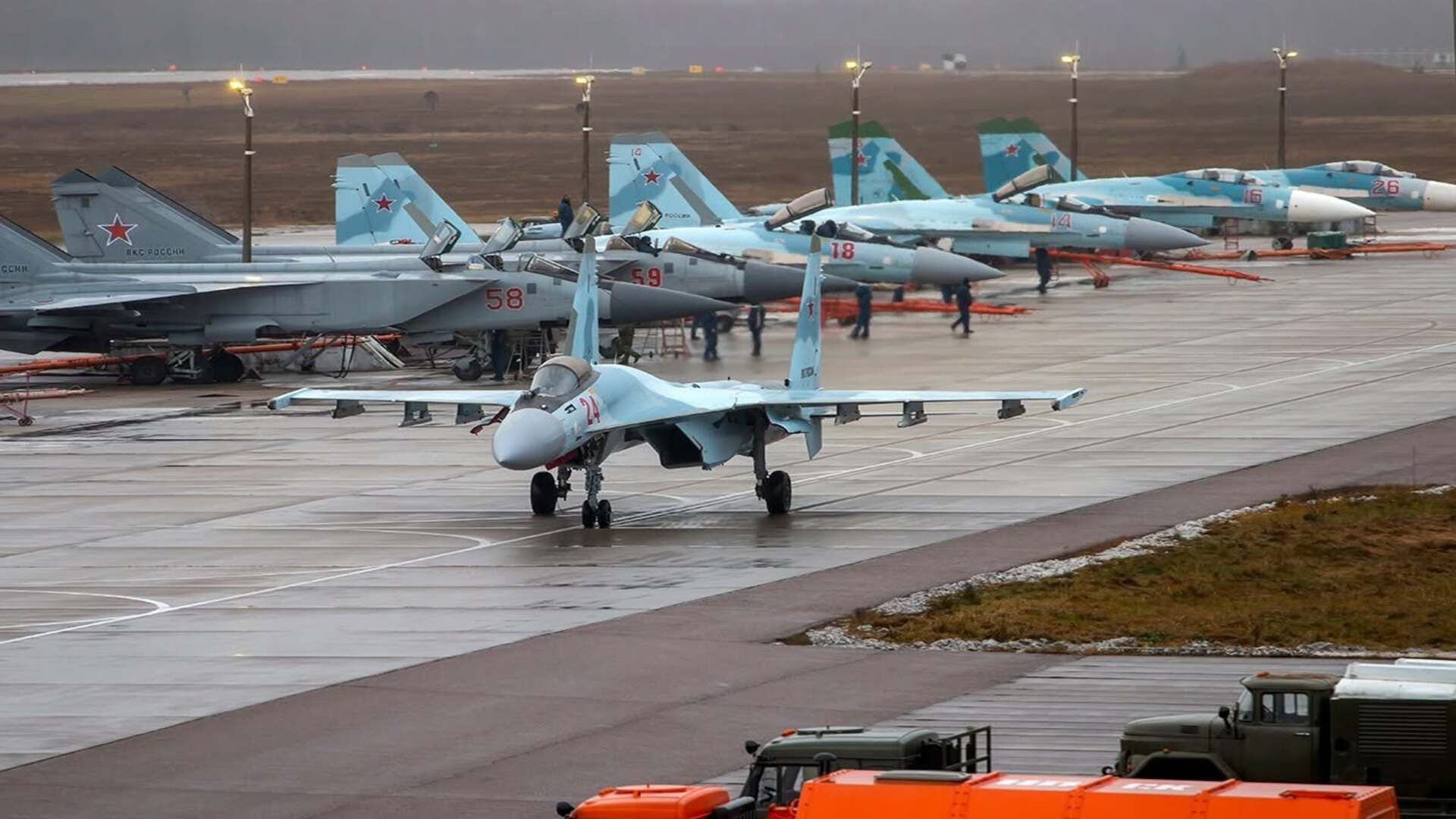
Organizers are looking for practical solutions that can damage aircraft, runways, fuel facilities, ammunition storage sites, and supporting ground infrastructure.

Search for technologies capable of long-term airfield disruption
The competition is being organized by NATO Allied Command Transformation together with the NATO-Ukraine Joint Analysis, Training and Education Centre, commonly known as JATEC.
According to Ukraine’s Ministry of Defense, the effort stems from the importance of airfields in supporting Russian aerial operations against Ukrainian territory.
The ministry stated that “Every Russian aviation sortie to strike Ukraine begins at an airfield,” explaining why the search concentrates on restricting access to aviation infrastructure.
Officials are seeking concepts capable of sustaining operational pressure against enemy airfields rather than conducting only short duration strikes.
Proposed systems may rely on drones, loitering munitions, swarm technologies, or alternative methods for delivering destructive payloads across significant distances.
The competition rules allow virtually any technological architecture provided the proposed solution can achieve the required operational outcomes.
Entrants must also demonstrate effectiveness…