


















- Only one in four F-35s achieved full mission capability
- Mission capable rates fell sharply between 2021 and 2025
- Software delays continue affecting readiness across newly delivered aircraft
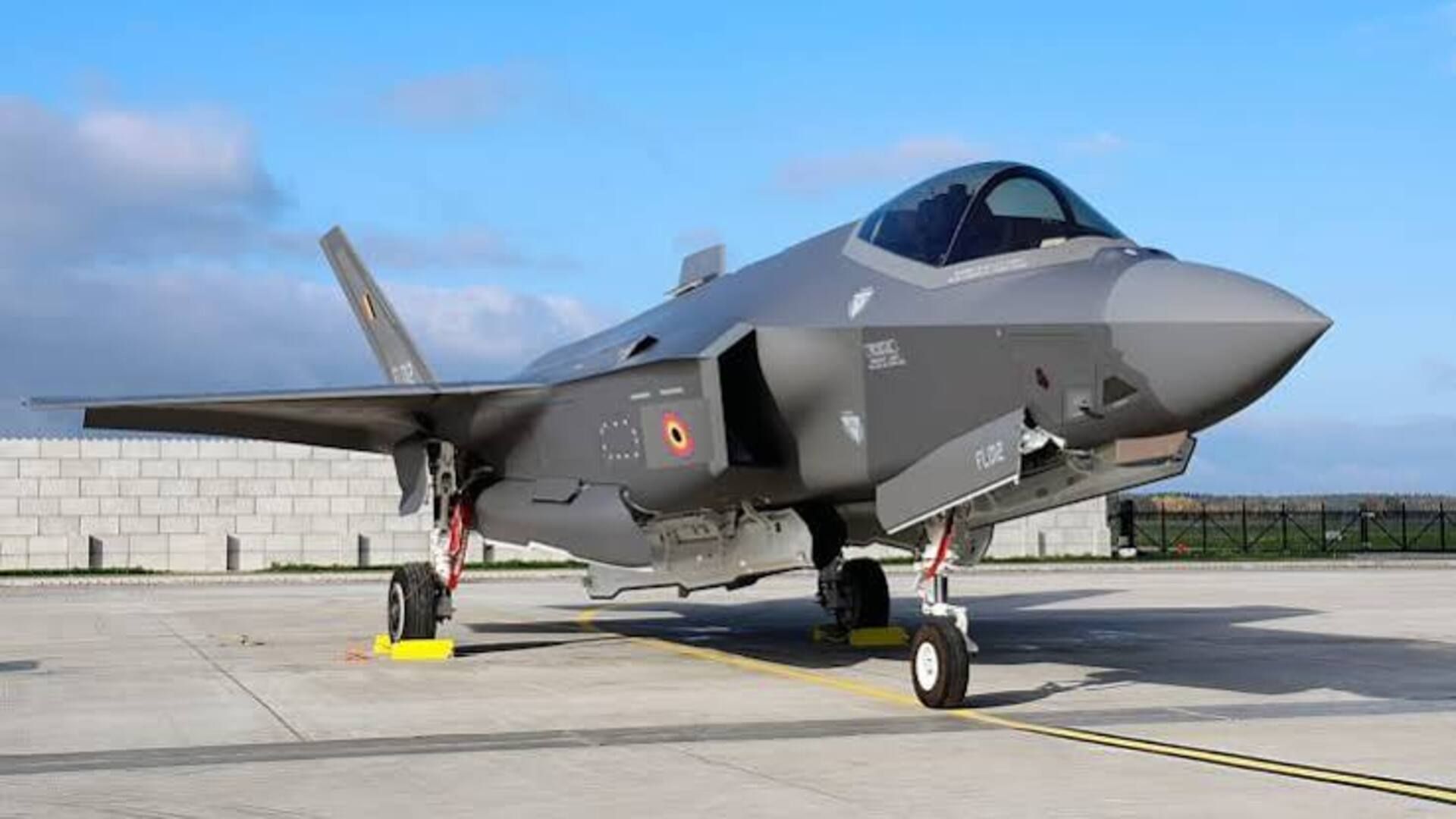
The Pentagon’s F-35 fighter fleet continues to face readiness challenges despite years of investment, modernization efforts, and sustained contractor support, as a US Government Accountability Office (GAO) report found only 25% of the aircraft were fully mission capable during fiscal 2025.
According to the GAO, the fleet’s mission-capable rate declined from 67% in fiscal 2021 to 44% in fiscal 2025.
The fully mission-capable rate, measuring aircraft able to perform all assigned missions, dropped from 38% to 25% during the same period.

Readiness declines despite billions spent on sustainment efforts
The findings raise questions about a program expected to cost ∼$1.6 trillion in lifetime US sustainment expenses while serving as the backbone of American air power.
US Air Force officials attributed part of the deterioration to software delays affecting newly delivered aircraft, alongside corrosion concerns and persistent shortages of replacement components.
The report described the F-35 as the Defense Department’s most expensive weapons program while noting that performance goals remain unmet.
More than 800 F-35s are currently operated by the Pentagon, with plans to acquire roughly 1,700 additional jets by the mid-2040s.
Meanwhile, the Joint Program Office launched the Global Support Solution Reset in June 2025 to improve readiness and reverse years of declining availability.
Program officials established ambitious objectives under the initiative, seeking an 80% mission capable rate and a 65% fully mission-capable rate by 2030.
Achieving those goals is expected to require an additional $13.7…