


















- Barracuda’s technologies now power Europe’s largest military aviation projects
- Europe’s largest unmanned aircraft emerged from a secret programme
- Barracuda pioneered manned and unmanned aircraft cooperation concepts
On April 2, 2006, at San Javier Airport in Spain, an unmanned aircraft released its brakes, went to full thrust, and lifted off after less than 1,000 metres of runway.
The entire first flight lasted just 15 minutes, but what those minutes represented took 40 months of intensive, secretive development to produce.
The Barracuda project launched in early 2003 at Airbus in Manching, Germany, initially running as a classified programme deliberately kept away from bureaucratic oversight.

A secret programme built inside a bubble
The team studied both civil and military aircraft development before stripping away everything unnecessary.
“It was an incredible feeling, we had achieved the seemingly impossible,” said Peter Hunkel, who led the programme with a core team of just 35 people.
Thomas Gottmann, the aircraft’s chief engineer at the time, recalled the conditions that made it work.
“We were few people, in one building, had short distances, hardly any admin, and the full support of management,” he said.
“We were working in a bubble and needed only to worry about one thing: developing the largest unmanned aircraft in Europe at the time in the shortest possible time.”
Funding came from Airbus’s own resources alongside support from the German Federal Ministry of Defense and associated procurement and technical agencies.
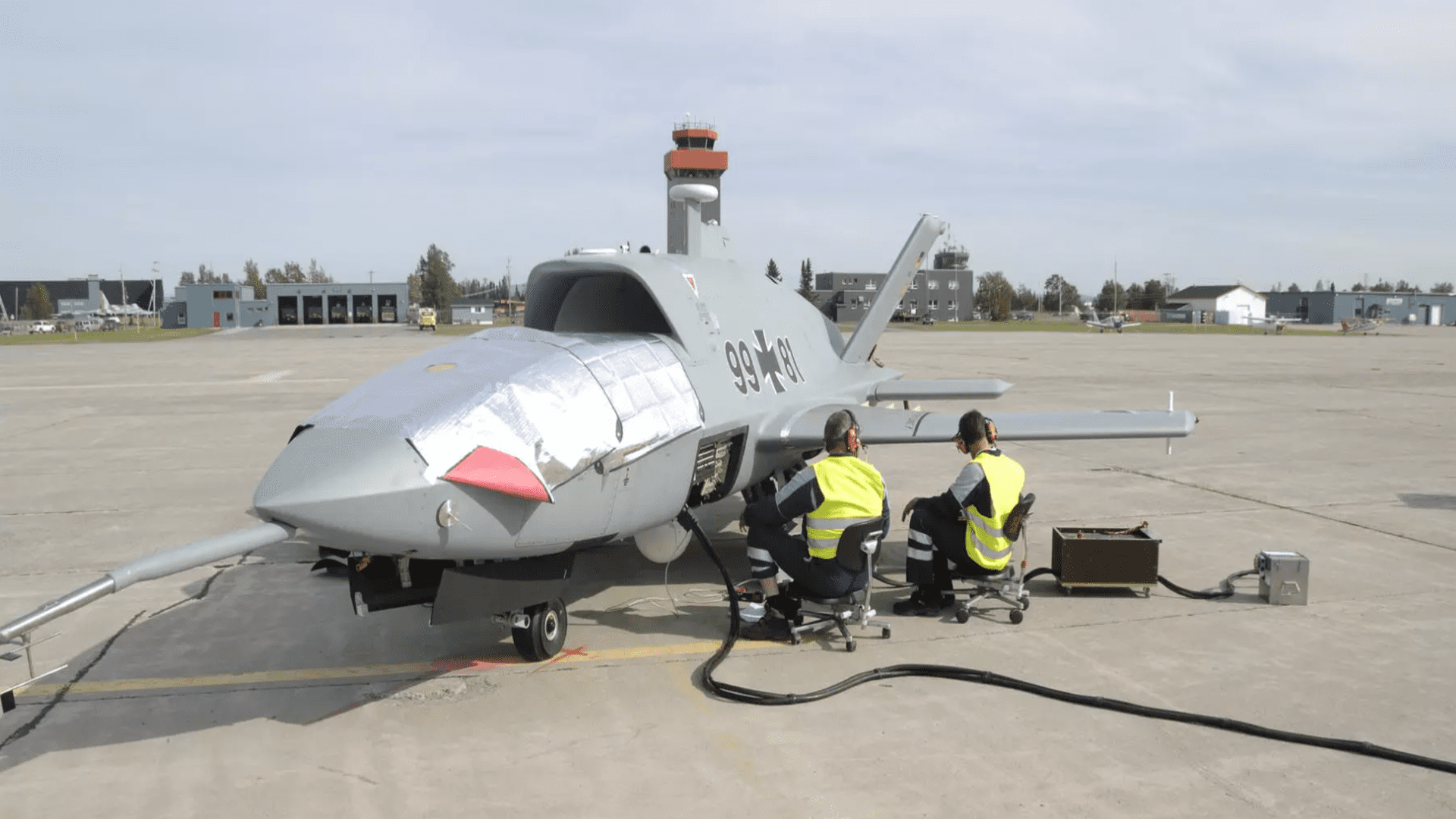
The result was a jet-powered drone built almost entirely from carbon fiber composites, stretching over 8m in length with a wingspan exceeding 7m and a maximum take-off mass of over three tons.