



















So far, 2026 has been defined by the effortless cool girl. Whether it’s the world losing their mind over Sarah Pidgeon as Carolyn Bessette Kennedy in Love Story and copping tortoiseshell headbands en masse, or us all moving away from spandex-laden athleisure in favour of airy linen and cotton fits, minimalism is the aesthetic du jour. Our For You pages have cottoned on to this, too. Instagram and TikTok are obsessed with pushing “quiet luxury”. Bastions of ’90s minimalism such as Helmut Lang are seeing a resurgence, Issey Miyake’s Pleats Please has become the de facto uniform for the fashion girl and even Kylie Jenner was spotted in Margiela’s Tabi ballet pumps last week in New York.
Choosing to check out from the ever-rotating conveyor belt of micro trends and instead opting for something as simple as a really good pair of jeans and a T-shirt can feel satisfying, and also like you’re rejecting the trend cycle (because what could be more enduring than some Levi’s 501s?). Refusing to become TikTok’s girl of the week (“tomato girl”, “savoury girl”, “clean girl”, etc) in favour of wearing well-made and durable classics can also feel like making an individual choice in and of itself. But, at the same time, it can often feel as though we’re being told that one way of dressing is chic and serious – and the other is frivolous.
Being overly feminine has always been associated with being unintellectual and lowbrow – think the bimbos of the early Noughties, or Legally Blonde. In the UK, there’s a class element, too: working class women dressing up for Ladies Day at Ascot, or mascaraed girls falling over themselves in too high heels after a night out, has long been derided as the worst, most humiliating depictions of being British. If minimalism conjures up ideas of being a well read, chic woman of the world, then maximalist glamour exists on the opposite side of the spectrum. It’s trashy and “unchic”; simultaneously pandering to the male gaze while also acting as a source of derision. Or that’s what we’re subconsciously taught.
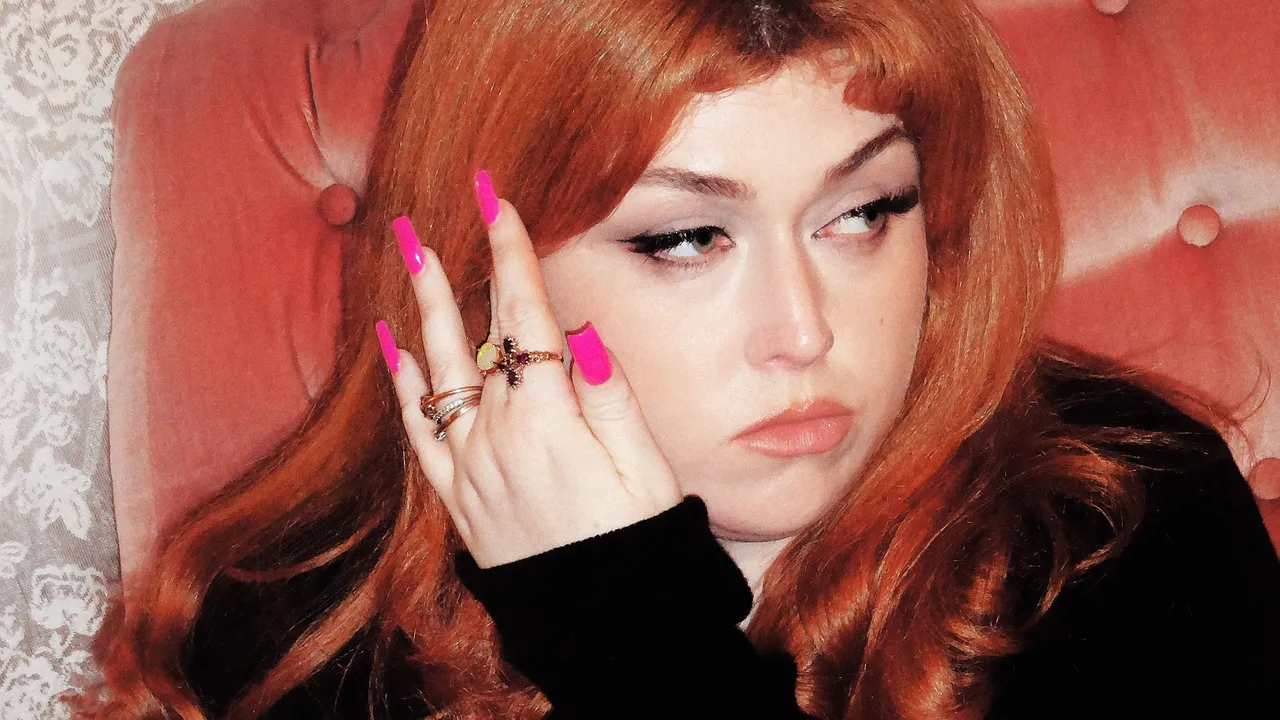
But taste does not exist in a vacuum: good taste is not just about being born with it, nor is it about educating yourself on the “right” things to like, at the “right” time. Instead, notions of good taste are built upon our own prejudices, from sexism and racism to classism. I truly believe that we’re taught to hate over the top, flagrant femininity – big blow dries, long acrylic nails, bright lurid pink – because, as a society, we’re taught to hate women. We make choices about our clothes and makeup to differentiate ourselves from them. To prove we’re smarter or cooler or simply don’t care too much. It’s no coincidence that Love Story’s minimalism is associated with “coolness”; the two go hand-in-hand.
But I for one have never felt better, or more myself, than when sporting a big bouncy blow dry and wearing heels completely inappropriate for the occasion at hand. I’ve always been drawn to more is more, but after spending my adolescence watching the films of John Waters, in which the drag queen Divine twists and subverts femininity into something radical, or camp classics like Michael Patrick Jann’s Drop Dead Gorgeous that expose the ridiculous maintenance required with glamour, I became steadfast in my belief that high-glamour can be just as interesting, intellectual and life-affirming as its minimalist counterpart.