


















- Huawei claims backup compression ratios reaching an extraordinary 90:1 level
- Patented algorithms sit at the centre of Huawei’s reduction strategy
- Four separate reduction stages shrink data before long-term storage
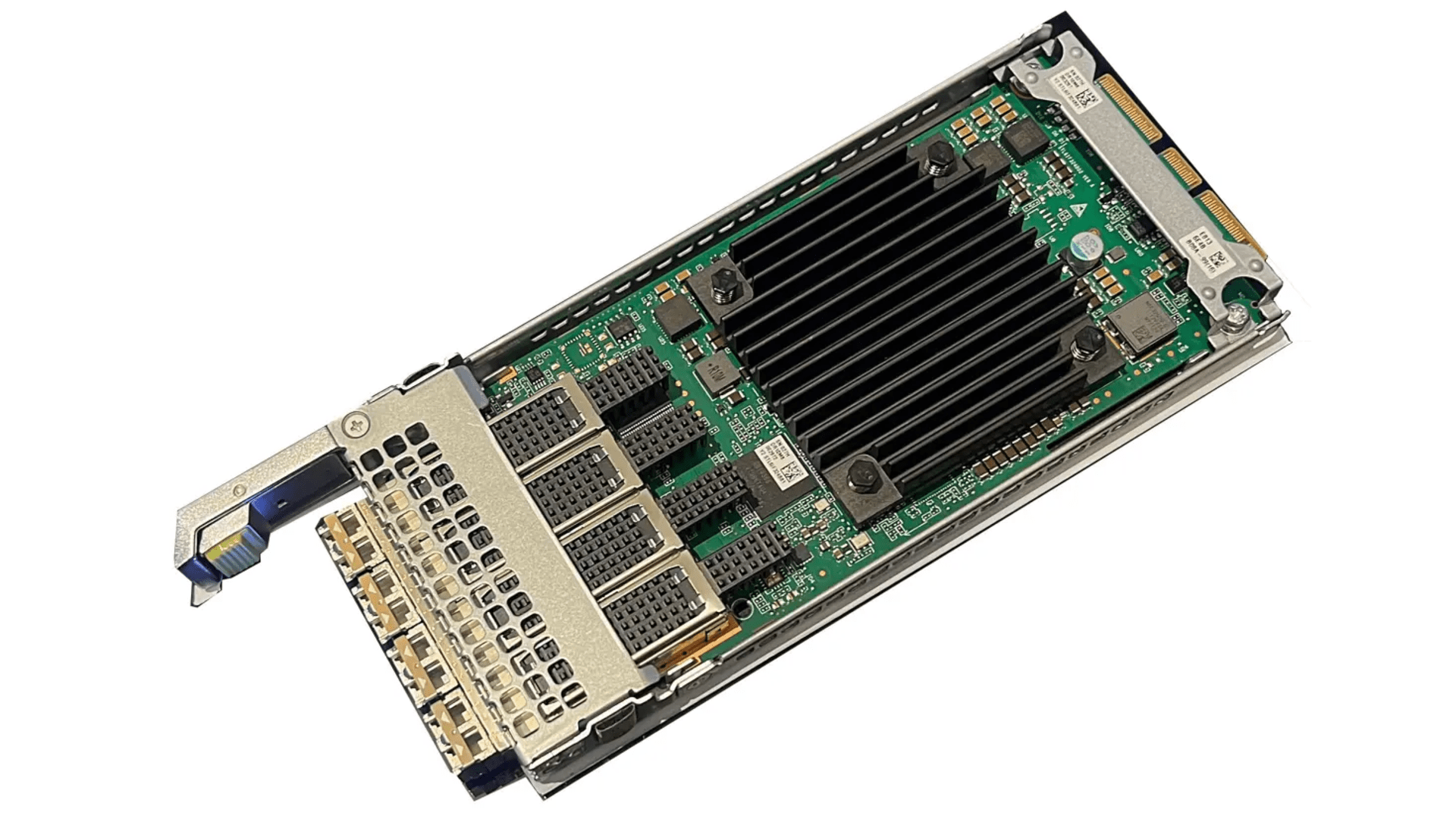
Huawei has unveiled a hardware compression card claiming a data reduction ratio reaching as high as 90:1 under suitable workloads.
The figure applies specifically to backup data carrying high redundancy, such as daily full virtual machine backups accumulated over time.
Huawei says this result sits 20% higher than the leading alternative currently available across the enterprise storage market.

A patented algorithm built around a nonlinear transformation
The card forms part of Huawei’s all-flash OceanProtect Backup Storage systems, including two newly announced models, the X8100 and X9100.
Compression relies on a proprietary algorithm family Huawei calls HZU, described by the company as using a fast nonlinear transformation paired with lightweight context prediction methods.
Huawei says this approach outperforms the long-established Lempel-Ziv compression paradigm, boosting the achievable compression ratio by roughly 30% under comparable conditions.
The dynamic technique is patented, covering both the deduplication and compression methods used throughout Huawei’s wider backup architecture.
Selecting the most suitable algorithm depends heavily on the specific backup policy and underlying data types involved in each deployment.
Earlier generation OceanProtect systems achieved a comparatively modest 72:1 reduction ratio, meaning the newly announced generation also runs up to 50% faster.
Reduction pipeline relies on dense SSD deployment
Reduction happens across four distinct stages, beginning with preprocessing designed to clean incoming data before further processing…